
Four Pillar Friday
Stories, research, and reflections on how we spend our most important currency: TIME
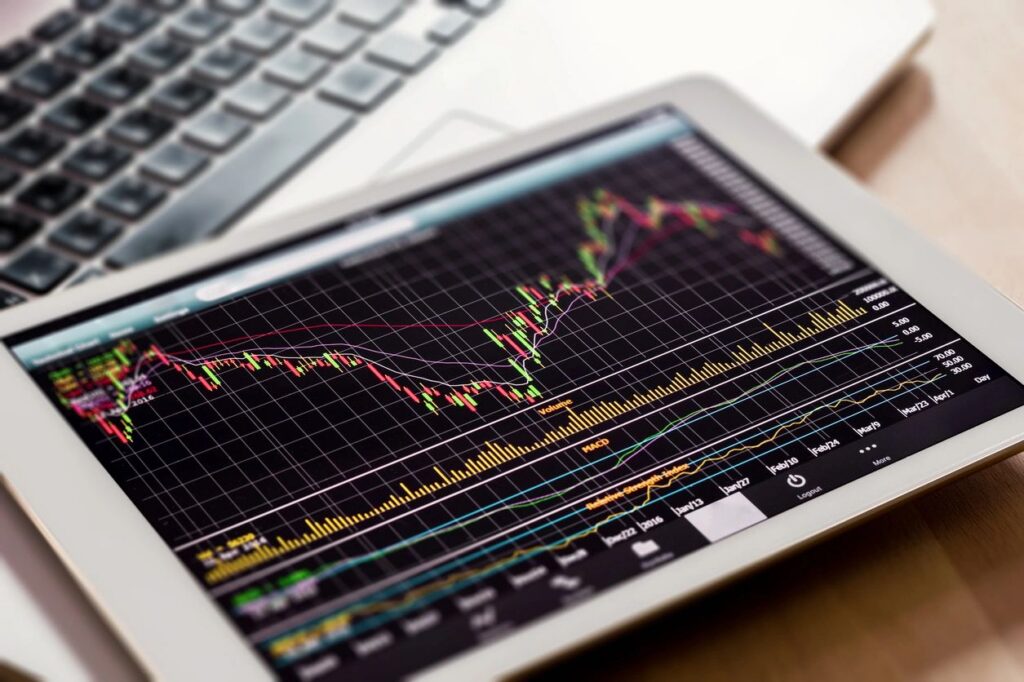
The average investor has historically under-performed a broadly diversified portfolio dramatically. In fact, the average investor tends to under-perform even within asset classes. Why is that?
Stories, research, and reflections on how we spend our most important currency: TIME
Roth conversions are often framed as a simple trade: pay taxes now to avoid taxes later. In reality, the decision touches far more than your tax bill. A conversion can ripple into Medicare premiums, Social Security taxation, future required distributions, and the taxes your heirs may face. The best conversions are rarely automatic. They are deliberate, bracket-aware decisions grounded in long-term projections.
Stories, research, and reflections on how we spend our most important currency: TIME
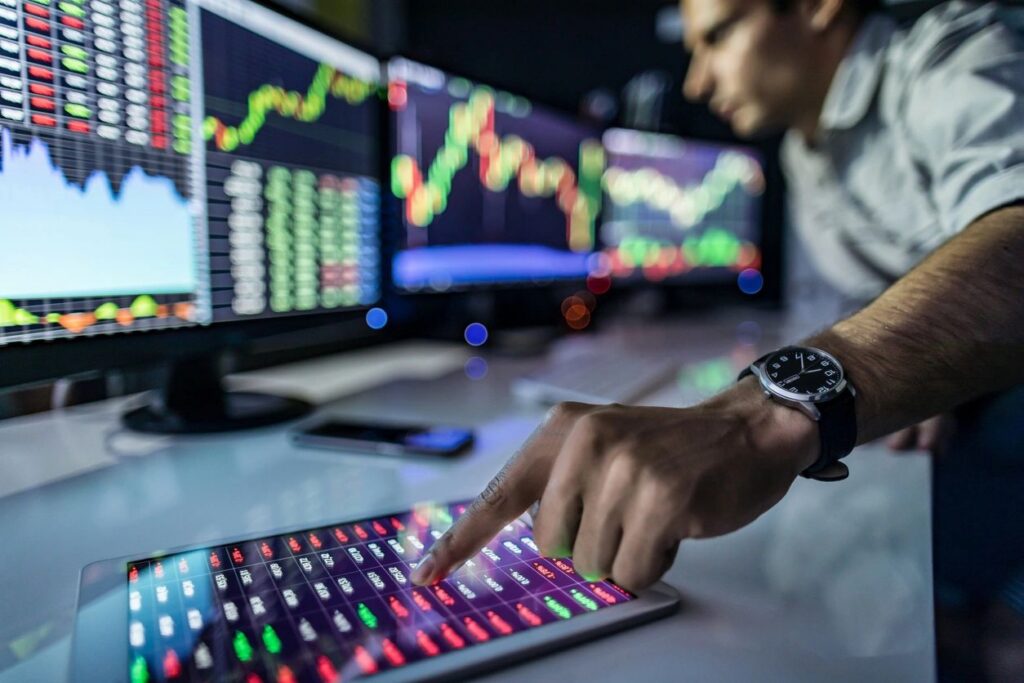
When a liquidity event turns years of work into cash, the biggest risk is not the market. It is moving too quickly. The first 90 days should focus on control, not optimization. That means separating tax liabilities, avoiding rushed allocation decisions, and giving your financial structure time to catch up. The goal is not immediate precision. It is reducing the chance of irreversible mistakes while your new reality comes into focus.
Diversification is one of the most widely used and often misunderstood concepts in investing. While it’s commonly associated with simply “not putting all your eggs in one basket,” the real benefit runs deeper. At its core, diversification helps reduce the impact of risks that are unique to individual investments, while allowing portfolios to capture broader market returns. Just as important, it helps smooth the experience of investing, making it easier to stay disciplined through periods of uncertainty. When investors understand both the theoretical and behavioral advantages, diversification becomes less of a rule of thumb and more of a foundational principle in building a resilient portfolio.
Stories, research, and reflections on how we spend our most important currency: TIME