



Insights Blog
The Intersection of Health and Wealth
Jun 19, 2023 // Adam Bruderly
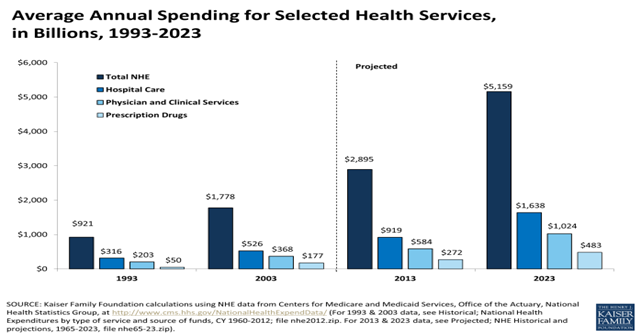
A recent study conducted by Fidelity found that healthcare and medical expenses for a 65-year-old retiring in 2021 are expected to surpass $300,000 throughout retirement. This represents a 30% increase from a decade ago and a staggering 88% rise from twenty years ago. The majority of financial plans address this issue by suggesting that individuals save more or work longer. However, incorporating exercise and nutrition into one’s lifestyle is an often-overlooked recommendation and perhaps would have the greatest impact on both your finances and your health.
At Journey, we uphold the principles of Purpose-Based Planning, which involves considering all dimensions of our clients’ lives and acknowledging the importance of addressing each one of them. Our philosophy is rooted in the belief that the three foundational pillars of wellness, namely mental, financial, and physical, constitute the bedrock for the life we aspire to have. We are steadfast in our belief that integrating exercise and nutrition into our clients’ strategies should not be a novelty, but a necessity. One that leads to a more profound sense of well-being that will last for generations to come.

Alternative Investments Overview
Alternative investments can play a valuable role in a portfolio—but only when used with a clear purpose. This overview explores how alternatives may enhance returns, improve diversification, and support tax efficiency, while highlighting the risks, structures, and planning considerations investors should understand.

Direct Indexing Overview
“Direct indexing offers investors a more customizable and tax-aware way to gain broad market exposure. By owning individual securities rather than a single fund, investors may create more opportunities for tax-loss harvesting, reduce concentrated positions over time, and tailor portfolios to their specific circumstances.

Quarterly Market Commentary
Equity markets in 2026 resemble a revolving door, with leadership regimes swinging wildly from small caps to value and then to growth equities. The rapid rotations we’ve witnessed over the past six months demonstrate the futility of attempting to time equity markets.